Electrical leak detection has become a critical quality control and assurance tool for geomembrane lined systems. Because geomembranes are often buried and inaccessible after construction, even small defects can lead to serious environmental and operational consequences. Electrical testing provides a reliable way to identify leaks, confirm liner integrity, and verify installation quality before a facility is placed into service.
Electrical leak detection methods and how they work
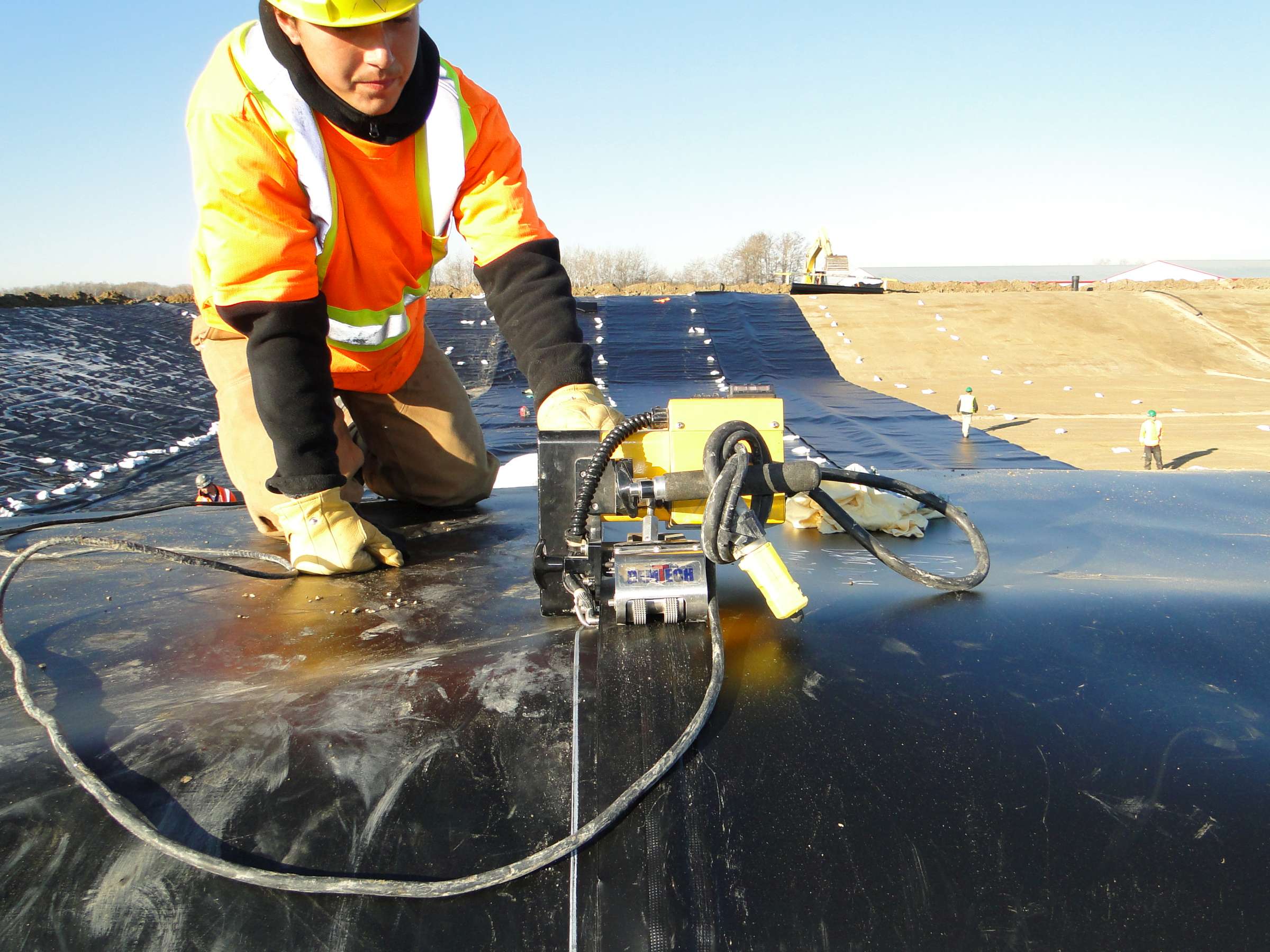
Electrical leak detection methods are based on the principle that geomembranes are electrically insulating, while water and soil conduct electricity. By applying an electrical current across the liner system, breaches such as holes, tears, or poorly sealed seams can be detected accurately.
Common methods include water puddle testing, water lance surveys, dipole surveys, and arc testing. Each method is suited to specific site conditions, liner types, and construction stages. For example, water based methods are often used on exposed liners, while dipole surveys are applied after the liner is covered with soil or aggregate.
These techniques allow testing of the entire lined area rather than relying on visual inspection alone. Professionals who want to learn more about CQA engineer responsibilities often find that electrical leak detection is a key part of modern liner quality programs, requiring both technical knowledge and careful interpretation of results.
Use cases across environmental and civil projects
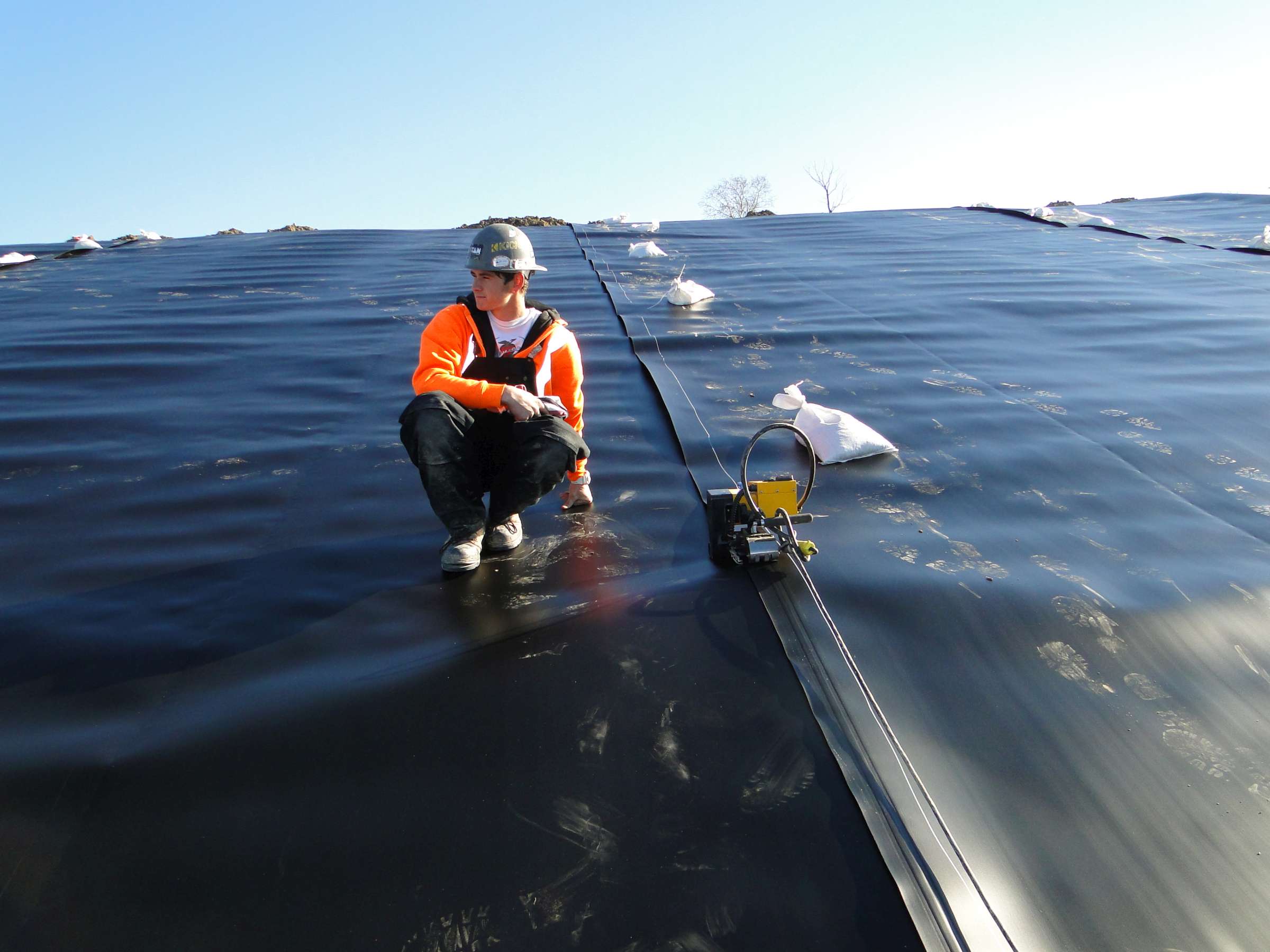
Electrical leak detection is widely used in projects where containment integrity is critical. This includes landfills, tailings storage facilities, heap leach pads, ponds, reservoirs, and wastewater treatment structures. In these applications, even minor defects can result in contamination, regulatory breaches, or long term remediation costs.
Testing may be conducted during construction, after liner installation, before cover placement, or as part of final commissioning. In some cases, leak detection is also used for forensic investigations when unexpected leakage is detected during operation.
The value of electrical testing lies in its ability to locate defects precisely. Instead of guessing or excavating large areas, repair crews can target exact locations, reducing rework time and minimizing disruption to the project schedule.
Typical findings and what they reveal about installation quality

Electrical leak detection often reveals issues that are not visible to the naked eye. Common findings include small punctures caused by foot traffic, equipment, or sharp subgrade materials. Seam related defects such as incomplete welds, burn through, or contamination during welding are also frequently identified.
Wrinkles and stress points can create thin areas in the geomembrane that are more susceptible to failure. Electrical testing helps identify these vulnerable locations before they develop into leaks under load or hydraulic pressure.
Beyond identifying defects, test results provide insight into overall installation quality. A low number of findings typically indicates good workmanship and effective quality control, while repeated or clustered defects may signal procedural issues that need correction before work continues.
Conclusion
Electrical leak detection is an essential tool for verifying geomembrane integrity and supporting high quality construction outcomes. By using proven electrical methods, project teams can identify defects early, reduce environmental risk, and avoid costly failures after commissioning. When integrated into a broader construction quality assurance program, electrical leak detection strengthens confidence in liner performance and reinforces the importance of skilled oversight throughout installation.